
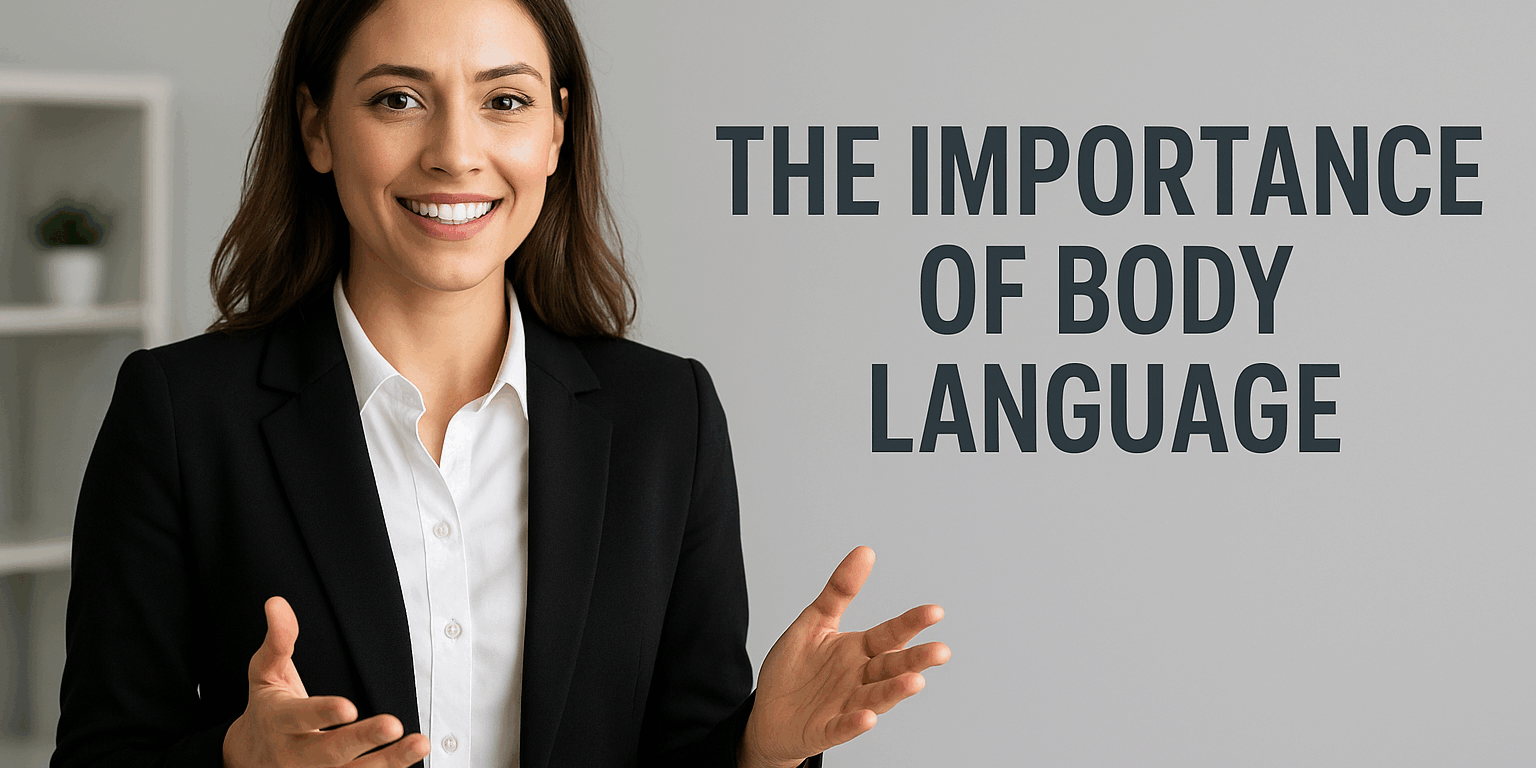
In every professional interaction—whether presenting to a room, leading a team, interviewing for a role, or negotiating a deal—your words matter. But your body language often matters more.
Research consistently shows that a significant portion of communication is nonverbal. The gestures you make, the way you stand, the movement of your eyes, even the tone and pace of your voice—these cues shape how others perceive your confidence, credibility, and intent. In an era defined by rapid communication and hybrid work environments, mastering body language has become a powerful career advantage.
- First Impressions Are Formed Before You Speak
People make snap judgments within seconds. Before you’ve spoken a single word, your posture, facial expression, and eye contact already signal your confidence, openness, and professionalism. A strong upright posture and genuine smile can set the tone long before the conversation begins.
- Body Language Builds (or Breaks) Trust
Trust is essential in leadership and collaboration. Consistency between your words and your physical cues strengthens credibility. For example:
- Saying “I’m excited about this project” while avoiding eye contact sends mixed signals.
- Leaning in slightly, nodding, and maintaining attentive eye contact communicates engagement and sincerity.
When body language and speech align, others perceive you as trustworthy and authentic.
- Nonverbal Cues Enhance Communication Clarity
Great communicators use their bodies to reinforce their message. Purposeful gestures, open posture, and attentive listening cues help others understand and retain information. In presentations or meetings, controlled movements and expressive facial cues can make your message more compelling and memorable.
- Body Language Improves Leadership Presence
Executive presence isn’t just about what you say—it’s about how you carry yourself. Leaders who use calm, confident, and open body language inspire trust and motivate teams. This includes:
- Standing tall and grounded
- Gesturing with intention
- Using a steady, measured pace of speech
- Demonstrating active listening through nods and eye contact
Teams respond not only to direction, but to demeanor.
- Virtual Communication Requires Extra Attention
In the digital workplace, many body language cues can get lost. But they’re still essential:
- Looking into the camera simulates eye contact
- Using visible hand gestures makes you appear more dynamic
- Sitting slightly forward shows engagement
- Smiling more than usual compensates for reduced social cues
Even on video, your body language communicates volumes.
- Emotional Intelligence Starts with Awareness
Understanding your own body language—and reading others’—is a key component of emotional intelligence. Noticing subtle cues helps you respond more effectively, defuse conflicts, and adapt your communication style to different personalities and situations.
- Strong Body Language Boosts Personal Confidence
Your mind influences your body—but your body also influences your mind. Power poses, grounding techniques, and mindful breathing can elevate confidence and reduce stress. Adjusting your posture or breathing before a big meeting can shift your mindset in powerful ways.
Final Thoughts
Body language is a silent but impactful force in professional success. When you communicate with intention—aligning your words, posture, expressions, and gestures—you enhance your leadership presence, strengthen relationships, and leave a lasting impression.
In a world where attention is scarce and authenticity is valued, mastering body language isn’t just a soft skill—it’s a strategic advantage.